How To Evaluate The Effectiveness Of Oil And Gas Training
In the oil and gas industry, the high-risk working environment means that the skill level and safety awareness of employees directly affect the safety of enterprise operations and production efficiency…
How to Choose an Oil and Gas Simulation Training System: A Practical Guide for Companies and Institutions
As the oil and gas industry increasingly demands higher standards for safety production, operational norms, and efficiency improvement, the traditional “master-mentee” training method has become inadequate for complex working conditions…
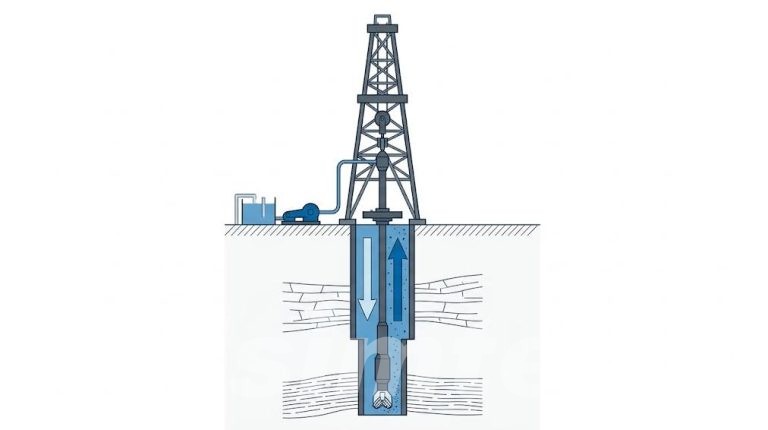
Oil Drilling Animation in HSE Training Programs for Oil & Gas Companies
Health, Safety, and Environment (HSE) training is a fundamental aspect of the drilling activities in the oil and gas industries. The fact is that many organizations in the oil and…
Use VR Simulator for Practicing Snubbing Operation in Oil and Gas
Snubbing operation training has traditionally consisted of classroom theory and limited live exercises, which are often high-risk, for decades. There is one underlying challenge that the industry has: how to…
Which Roles Can Use Oil & Gas Simulators? Applications Across Key Positions
In the oil and gas industry, high risks, high costs and strong professionalism coexist. Whether it is drilling, well control, or production and downhole operations, a single minor judgment error…
Commonly Overlooked Well Control Risks in Drilling Operations and How to Address Them
In oil and gas drilling operations, well control has always been the core aspect of safety management. Although the well control theory, operation norms, and equipment system are already quite…
Reducing Human Error in Oil and Gas Operations Training
Human mistake remains the top factor that leads to incidents, production losses, and unplanned downtime in oil and gas operations, together with other contributors, among them technical failures. Even though…
Common Operational Risks in Pipeline Transportation: Scenarios, Accidents, and Engineering Insights
In the oil and gas production system, pipeline transportation is a crucial link that connects upstream production with downstream processing, storage, transportation, and end-users. Compared to drilling and well completion…
Top VR Training Applications in the Oil and Gas Industry
As the oil and gas industry increasingly demands safety, efficiency and standardization, traditional training methods (classroom lectures, video demonstrations, on-site shadowing) have become increasingly unable to meet the actual operational…
Cost Reduction Technologies in Shale Gas Drilling Operations
Cost reduction has now become a pressing urgency in the shale gas drilling industry, driven by volatile gas prices, increased capital discipline, and rising operational complexities. But it is not only for…
Multilateral Well Intervention Strategies & Workover Optimization
Multilateral wells are able to tap into the whole reservoir, as well as the surface area they occupy, which is very beneficial. However, the upside of the multilateral system translates…
How Well Intervention Simulation Training Reduces Non-Productive Time
During the entire life cycle of an oil and gas well, Well Intervention (well repair/underground intervention operations) is a crucial step for restoring production capacity, extending well life, and addressing wellbore…